The Lifespan of Your AC Unit: How Long Can It Really Survive Nevada Summers?
In Mesquite, Nevada, our air conditioning units aren't just a luxury—they are a survival necessity. When the summer temperatures consistently climb past 110F, your AC system works harder in a single month than some systems in the Midwest work all year.
At The Lindi Corp, one of the most common questions we get from homeowners is: "How long is my AC actually going to last in this heat?"
While the national average for an air conditioner's lifespan is often cited as 15 to 20 years, the "Desert Tax" we pay in Southern Nevada changes the math. Here is what you can realistically expect and how you can help your unit survive the heat.
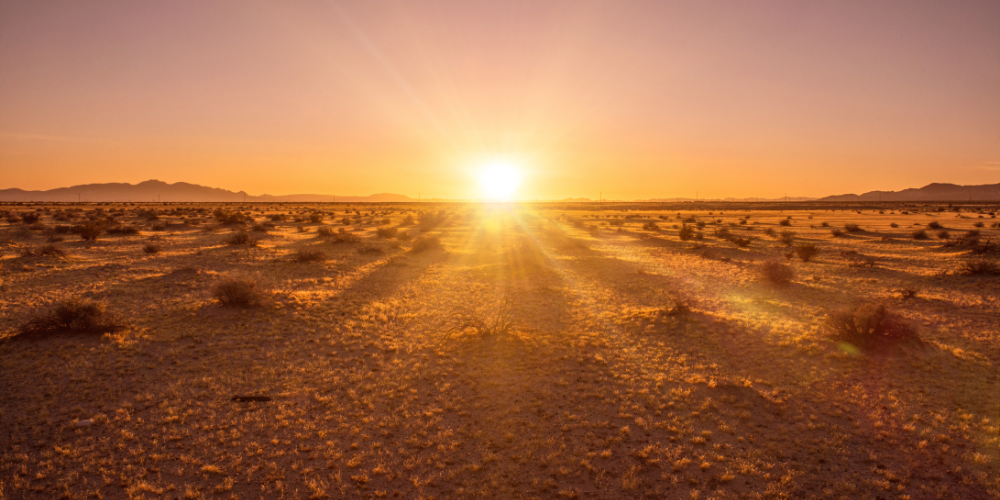
The Realistic Timeline: National Average vs. Mesquite Reality
In a milder climate, an AC unit might coast through two decades of service. However, in Mesquite, the extreme heat and relentless dust put immense mechanical stress on every component.
The Mesquite Average: Most well-maintained units in our area last between 10 to 15 years.
The "Neglected" Unit: Without regular service, a system pushed to its limit in the desert may begin to see major component failures (like the compressor) as early as year 8 or 9.
Why the Nevada Climate is Hard on Your AC
It isn't just the heat that tries to kill your air conditioner; it’s a combination of environmental factors unique to our desert home.
1. The "Always On" Demand
In many parts of the country, the AC cycles on and off occasionally. In a Mesquite July, your unit might run for 12 to 18 hours a day just to maintain a comfortable 73F indoors. This constant operation leads to faster wear and tear on the motor, capacitor, and fan.
2. Dust and Sand
Wind-blown desert dust is a silent killer. It coats the outdoor condenser coils, acting as an insulator that traps heat inside the system. When the coils are dirty, the unit has to work twice as hard to reject heat, which causes the compressor to overheat and shortens its life.
3. Low Humidity Issues
While "dry heat" feels better to us, very low humidity can cause certain seals and gaskets within the HVAC system to dry out and crack over time, leading to refrigerant leaks.
Signs Your AC is Reaching the Finish Line
If your unit is approaching the 10-year mark, keep an eye out for these "red flags" that a replacement might be on the horizon:
The "Money Pit" Phase: You’ve had more than two significant repairs in the last two years.
Skyrocketing Energy Bills: Even with a tune-up, your power bills are significantly higher than they were a few seasons ago.
Inconsistent Cooling: Some rooms are ice cold while others stay warm, or the unit struggles to reach the thermostat setting during the hottest part of the day.
R-22 Refrigerant: If your older unit uses R-22 (Freon), it is becoming increasingly expensive and difficult to service as it has been phased out for environmental reasons.
How to Help Your AC Defy the Odds
You can’t change the Mesquite weather, but you can change how your system handles it. To get closer to that 15-year mark, follow these steps:
Change Filters Monthly: In the summer, a dirty filter is the fastest way to suffocate your system and cause a breakdown.
Keep the Outdoor Unit Clear: Ensure there are at least two feet of clearance around your outdoor condenser. Trim back bushes and hose off the coils gently to remove dust.
Schedule Professional Tune-Ups: A bi-annual inspection by The Lindi Corp can catch a failing capacitor or a small refrigerant leak before it turns into a total system failure in the middle of a heatwave.
We’re Here to Keep Mesquite Cool
Whether your current system needs a boost to survive another season or you’re ready to discuss a more efficient replacement, we can help. A modern, high-efficiency unit can not only handle the Nevada heat better but also save you hundreds of dollars in annual energy costs.
If you have questions about your air conditioner’s health or want to schedule a preventative maintenance check, contact The Lindi Corp today! Our team is dedicated to keeping Mesquite homes comfortable all year long.